
Why Interest Rates Are Holding Steady and When They Might Shift
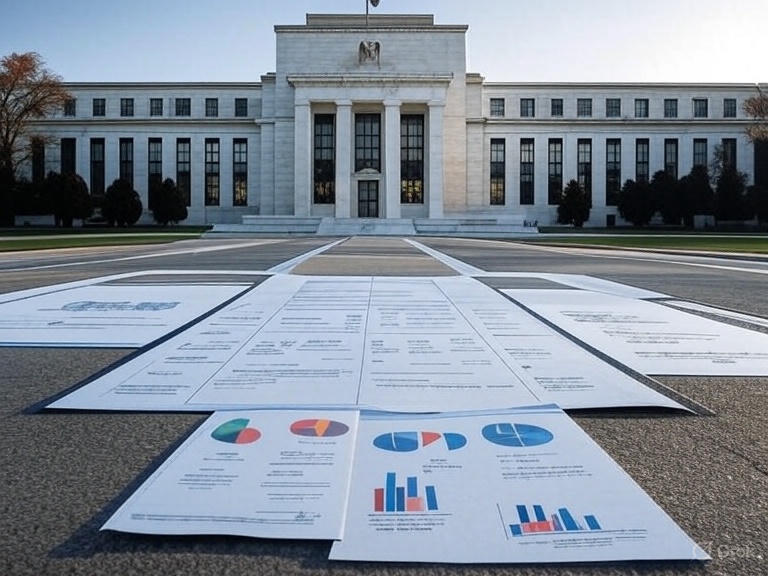
In 2025, interest rates in the United States have remained remarkably stable, with the Federal Reserve maintaining the federal funds rate at a range of 4.25% to 4.50%. This lack of movement has sparked curiosity among investors, homeowners, and policymakers alike. Why are interest rates not budging, and when might we expect a change? This article dives into the factors keeping rates steady and explores the conditions that could prompt a shift, offering insights for those navigating today’s financial landscape.
Why Interest Rates Haven’t Changed
1. Balancing Inflation and Economic Growth
The Federal Reserve’s primary mandate is to maintain price stability and maximize employment. In 2025, inflation has stabilized but remains a concern, hovering near the Fed’s 2% target. Recent data suggests that inflationary pressures, partly driven by proposed tariffs and global trade uncertainties, have kept the Fed cautious. According to Fed Chairman Jerome Powell, the central bank is adopting a “wait-and-see” approach, avoiding rate cuts until there’s clearer evidence of sustained low inflation. This cautious stance was evident in the Fed’s July 2025 meeting, where two dissenting voters pushed for a 0.25% cut, but the majority favored holding rates steady.
2. Economic Stability and Mixed Signals
The U.S. economy is showing signs of resilience, with robust corporate earnings and a healthy labor market supporting growth. However, there are also concerns about a potential slowdown, with some economic indicators suggesting moderation. For instance, the 10-year Treasury note’s yield has remained in a narrow 4% to 5% range, reflecting a balance between inflation fears and worries about economic cooling. This equilibrium has led the Fed to avoid drastic changes, as premature rate cuts could reignite inflation, while hikes could stifle growth.
3. Impact of Global and Domestic Policies
Global factors, such as trade policies and geopolitical events, are influencing the Fed’s decisions. Proposed tariffs under the Trump administration have introduced uncertainty, potentially increasing costs for goods and services, which could keep inflation elevated. Domestically, fiscal conditions, including rising government deficits, are putting upward pressure on real interest rates, further justifying the Fed’s decision to hold rates. The International Monetary Fund notes that global forces, like economic growth in emerging markets, have historically had a modest effect on U.S. rates, but current trade dynamics are a significant wildcard.
4. Housing Market Dynamics
The housing market is another factor keeping rates steady. Mortgage rates have settled around 6.7% for 30-year fixed loans, with little fluctuation since early 2025. High rates have reduced affordability, with monthly payments on a $400,000 loan rising significantly since 2021. This has cooled demand, but low housing inventory and strong buyer interest are preventing a sharp decline in rates. The Fed’s steady policy helps maintain this delicate balance, avoiding disruptions in the housing sector.
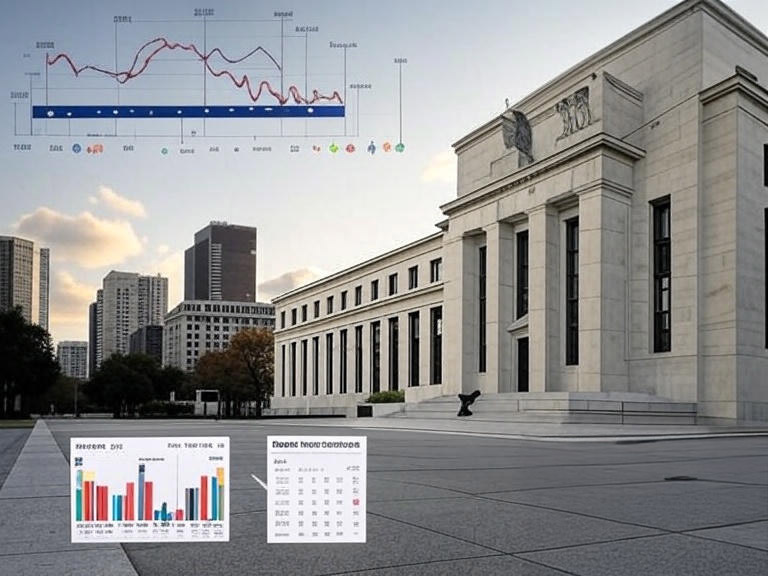
When Might Interest Rates Change?
1. Inflation Trends
A significant drop in inflation could prompt the Fed to cut rates. Experts predict that if inflation consistently falls below 2% and economic data confirms a slowdown, the Fed might consider cuts as early as September 2025. Conversely, if inflation spikes due to tariff impacts or supply chain issues, rates could remain unchanged or even rise slightly.
2. Economic Indicators
Key indicators like employment data and consumer spending will play a crucial role. For example, a weaker-than-expected jobs report in August 2025 could tilt the Fed toward a rate cut to stimulate growth. On the other hand, strong economic data, such as high GDP growth or wage increases, could delay cuts further. The Fed’s next meeting on August 7, 2025, will provide more clarity.
3. Policy and Tariff Outcomes
The resolution of trade policy uncertainties, particularly around tariffs, could influence rate decisions. If tariffs lead to sustained inflation, the Fed may hold or increase rates. However, if global trade stabilizes and inflationary pressures ease, rate cuts could be on the table by late 2025 or early 2026.
4. Housing Market Shifts
A significant drop in mortgage rates could occur if the Fed cuts rates and economic conditions weaken, potentially bringing 30-year mortgage rates closer to 6.4% by year-end. However, experts caution that rates are volatile, and any change will depend on broader economic trends and Fed actions.
Implications for Consumers and Investors
For consumers, stable interest rates mean predictable borrowing costs but continued challenges in housing affordability. Homebuyers should shop around for the best mortgage rates, as variations exist based on credit scores and loan types. Investors should monitor bond yields and equity markets, as steady rates support stock performance but could pressure valuations if inflation rises. Diversifying into fixed-income securities or real estate investment trusts (REITs) may offer opportunities, though risks remain due to potential rate volatility.
Conclusion
Interest rates in 2025 are holding steady due to a complex interplay of inflation concerns, economic stability, global trade uncertainties, and housing market dynamics. The Federal Reserve’s cautious approach reflects a desire to balance growth and price stability. While rate cuts are possible by late 2025 if inflation subsides and economic growth slows, persistent uncertainties could delay changes. Staying informed about economic indicators and Fed announcements will be key for consumers and investors navigating this environment. For the latest updates, keep an eye on the Fed’s next decision on August 7, 2025, and monitor economic data releases. If you’re considering a mortgage or have questions about interest rates, feel free to contact David Blatt at 800-318-8000.